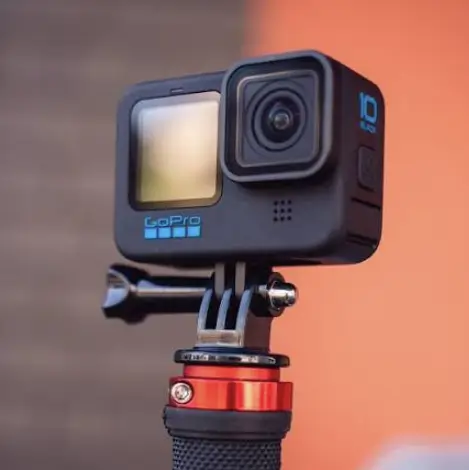
The Camera That Defined a Category
When GoPro introduced its first camera, few anticipated that it would fundamentally redefine how people document active experiences. Today, the term “GoPro camera” has become almost synonymous with action camera itself — a testament to how completely the brand has come to dominate its category. Yet not all GoPro cameras are equal, and choosing the right model requires a genuine understanding of the features that matter for your specific use case.
The Technical Foundations of GoPro Camera Performance
Image Sensor Technology
At the heart of every GoPro camera lies a carefully engineered image sensor that must balance multiple competing demands: high resolution, wide field of view, strong low-light performance, and the ability to shoot stable footage in extreme vibration conditions. GoPro’s engineering team has developed proprietary sensor configurations that prioritize these action-specific requirements over the portrait and telephoto capabilities valued in traditional photography.
Lens System Design
GoPro cameras utilize fixed wide-angle lenses with exceptional depth of field, ensuring that virtually everything in the frame appears sharp without requiring manual focus adjustments. This design choice is ideal for action footage where the camera operator has no opportunity to adjust focus during shooting.
Thermal Management
Action cameras face unique thermal challenges — sustained recording in warm environments during physical activity generates substantial heat. GoPro’s thermal management systems allow for extended recording sessions without thermal throttling, a critical capability for long-form content creators.
See also: Professional Tech Platform 922474000 Analytics
GoPro Camera Models Compared
Entry-Level Models
The entry point to the GoPro camera ecosystem provides users with the brand’s legendary ruggedness and waterproofing at a price that makes action photography accessible to a wider audience. Core features including basic stabilization and 4K recording capability are present, making these models suitable for casual users.
Mid-Range HERO Models
The mid-range segment represents the sweet spot for most serious GoPro camera users. Enhanced stabilization performance, improved low-light capability, and higher-bitrate video recording elevate footage quality to near-professional standards.
Premium HERO Models
The flagship GoPro camera models represent the absolute pinnacle of what a wearable action camera can achieve. Maximum video resolution, the most advanced stabilization algorithms, multi-microphone audio processing, and the longest battery life combine in a package that professionals rely on for commercial productions.
For those ready to invest in a GoPro camera, GoPro camera options are available through Asia Miles Lifestyle with the added benefit of earning flight miles with every purchase.
GoPro Camera Maintenance and Care
Getting the most from your GoPro camera over the long term requires proper maintenance:
Lens care: The lens port is the GoPro camera’s most vulnerable component. Regular cleaning with an appropriate lens cloth prevents accumulated smudges from degrading image quality. Avoid using abrasive materials that could scratch the port’s protective coating.
Battery health: GoPro camera batteries perform best when charged with the official charger and stored at partial charge when not in use for extended periods. Avoid leaving batteries fully depleted or fully charged during long storage periods.
Port and seal maintenance: The charging port door seals are critical for waterproofing. Inspect these seals regularly and replace them if they show signs of damage to maintain the GoPro camera’s waterproof integrity.
GoPro Camera Firmware Updates
Regularly updating your GoPro camera’s firmware is one of the simplest and most impactful ways to maintain and improve performance. GoPro regularly releases firmware updates that introduce new features, optimize existing capabilities, and address any discovered performance issues. The GoPro Quik app makes firmware updates simple, typically completing in just a few minutes.
Frequently Asked Questions
Q1: What memory card should I use with a GoPro camera? GoPro cameras require fast, high-capacity microSD cards. Look for cards rated at minimum V30 speed class for reliable 4K recording. For higher resolution and frame rate recording, UHS-I or UHS-II rated cards are recommended.
Q2: Can GoPro cameras shoot in RAW format? Most current GoPro cameras support RAW photo capture, giving photographers greater flexibility in post-processing. Video is recorded in proprietary compressed formats, with Log video modes available on premium models for greater color grading latitude.
Q3: How does a GoPro camera handle audio recording? GoPro cameras feature multiple microphones for wind noise reduction and stereo audio capture. For professional audio quality, GoPro offers media mods with external microphone inputs compatible with select models.
Conclusion
A GoPro camera represents more than just a purchase — it’s an investment in a content creation platform that will grow with you as your skills and ambitions develop. Understanding the technical foundations, choosing the right model for your needs, and maintaining your equipment properly will ensure you get years of outstanding performance from your GoPro camera.