Introduction
Selecting the right foam material for a commercial, industrial, or acoustic project involves more than considering flexibility, thickness, and cost. Fire performance is also an important factor, particularly when foam is used inside buildings, equipment enclosures, studios, or other environments where safety requirements must be considered. Class 0 Foam is a term associated with materials that meet specific fire-performance criteria under certain UK building regulations and classifications.
For businesses and project designers, understanding the characteristics of acoustic foam and fire-retardant treatments can help when selecting materials for applications that require both practical performance and appropriate fire safety.
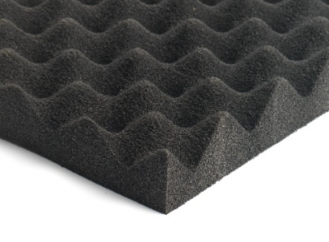
Acoustic foam is commonly manufactured from materials such as polyurethane or melamine. It is used to absorb sound reflections, reduce reverberation, and improve acoustic conditions in different environments. Depending on the foam formulation and its treatment, additional fire-performance characteristics may be available.
One option used in certain applications is acoustic Class 0 Foam, which may be specified where acoustic absorption and fire-related performance are both important. However, the exact properties depend on the product, its construction, and the relevant test documentation.
Before choosing a foam solution, it is essential to understand what Class 0 means, how treated foam differs from standard acoustic materials, and which factors should guide the purchasing decision.
2. What Is Class 0 Foam?
Class 0 Foam generally refers to foam products or foam-based assemblies described as meeting the UK Class 0 surface-spread-of-flame criteria. This classification has traditionally been associated with requirements concerning surface flame spread and heat release.
It is important to understand that Class 0 is not a universal guarantee that a material is non-combustible or will prevent a fire from developing. The classification does not automatically mean that every foam product carrying this description is suitable for every building or installation.
Foam products must be assessed according to their intended application, applicable building regulations, and the relevant test standards. Project specifications may require particular reaction-to-fire classifications, and evidence for the complete installed assembly may be necessary.
See also: Downsizing a Home? A Practical Guide to Silver, Coins, and Valuables
Understanding Fire-Retardant Foam
Some foam products are manufactured using formulations that improve their fire performance, while others receive a treatment designed to alter how they respond to flame exposure.
These differences matter because the foam’s base material, thickness, density, treatment process, and installation method can influence its overall performance.
For buyers considering acoustic Class 0 Foam, checking the manufacturer’s technical information is essential. Ask for the applicable fire-test reports, product identification, and any installation conditions associated with the claimed classification.
This approach helps ensure that the material selected for a project matches the actual requirements rather than relying on a product description alone.
3. What Is Impregnated Class 0 Foam?
Impregnated Class 0 Foam refers to foam that has undergone an impregnation or treatment process intended to improve particular material properties, potentially including fire performance.
Depending on the product and manufacturing process, treatment may introduce a suitable substance into the foam structure. The purpose is to modify how the material responds to specified conditions, rather than simply changing its external appearance.
The exact process and performance vary between manufacturers, so the term should not be interpreted as a complete technical specification.
How Impregnation Can Benefit Foam Materials
Impregnation can be useful when a foam product needs additional characteristics for a particular environment. Depending on the formulation and verified testing, potential benefits may include:
- Improved fire performance: A suitable treatment may help the product meet specified fire-test requirements.
- Application flexibility: Treated foam may be suitable for selected environments where untreated foam does not meet the project’s requirements.
- Retention of useful foam characteristics: Some treatments are designed to preserve the material’s flexibility and porous structure.
- Manufacturing versatility: Foam can often be processed into different shapes and dimensions to suit specific equipment or installation requirements.
These benefits are product-dependent. Impregnation does not automatically establish Class 0 compliance, and fire performance should be confirmed through appropriate documentation.
4. Key Benefits of Acoustic Class 0 Foam
When a product has the necessary verified properties for its intended use, combining acoustic treatment with appropriate fire-performance characteristics can offer several practical advantages.
4.1 Improved Sound Absorption
Acoustic foam is designed to absorb sound energy and reduce reflections from hard surfaces. This helps control excessive reverberation and can make speech and recorded audio clearer.
In suitable applications, acoustic Class 0 Foam can support better room acoustics while also addressing specified fire-performance requirements.
4.2 Support for Fire-Safety Specifications
Fire performance is a major consideration when selecting materials for some commercial interiors, specialist installations, and building projects.
A foam product with appropriate test evidence may help meet a project’s material specifications. However, the suitability of the product depends on the applicable regulations and whether the evidence covers the actual installation.
4.3 Custom Manufacturing Options
Foam manufacturers can process materials into different shapes, sizes, and configurations. Depending on the product, manufacturing methods may include cutting from blocks, sheets, and rolls, as well as CNC machining and waterjet cutting.
This flexibility can be valuable when foam needs to fit around equipment, line an enclosure, or match a particular design.
4.4 Potential for Multiple Applications
Treated foam may be used in selected acoustic and industrial applications where its verified properties are appropriate. The combination of sound absorption, a lightweight structure, and custom fabrication can make it useful for specialist projects.
The important consideration is to match the material to the actual operating conditions, including temperature, moisture, cleaning requirements, and potential exposure to ignition sources.
5. Common Applications of Class 0 Foam
The application of Class 0 Foam depends on the product’s tested performance and the requirements of the installation.
Recording Studios and Acoustic Rooms
Recording spaces need controlled acoustics to minimise unwanted reflections and excessive reverberation. Acoustic foam can help improve sound quality, particularly for spoken-word recording and monitoring environments.
Where fire-performance requirements apply, the selected panels must have documentation suitable for the intended installation.
Offices and Commercial Interiors
Meeting rooms, offices, and other commercial spaces may use acoustic materials to improve speech clarity and manage reflected sound.
Treated foam may be considered where the specification permits it and the product satisfies relevant safety requirements.
Industrial Equipment Enclosures
Foam materials can be used in selected equipment enclosures to manage acoustic reflections or provide other designed functions. Industrial applications require particular attention to heat exposure, chemical compatibility, maintenance, and the equipment manufacturer’s requirements.
A material suitable for a room’s walls may not be appropriate inside machinery or near hot components.
Specialist Acoustic Installations
Some custom projects require foam components with specific dimensions, shapes, or material characteristics. Manufacturers may be able to fabricate suitable components from foam blocks or sheets to match engineering drawings and project specifications.
In every case, the intended use should determine the required technical properties.
6. How to Choose the Right Class 0 Foam
Selecting a suitable product requires a careful review of both performance requirements and practical installation conditions.
Check the Fire-Test Documentation
Do not rely solely on a supplier’s statement that a foam is fire-retardant or Class 0. Request documentation identifying the exact product tested, the relevant test standard, and the conditions under which the classification applies.
Where required, confirm that the material meets the applicable building regulations and reaction-to-fire standards for the intended use.
Evaluate Acoustic Performance
If sound absorption is a priority, consider the foam’s thickness, density, surface design, and tested acoustic absorption data.
Standard acoustic foam is generally more effective at controlling mid- and high-frequency reflections than deep bass. Thicker absorbers or specialist bass traps may be necessary for low-frequency problems.
Consider the Installation Environment
The surrounding conditions can affect a foam product’s suitability and durability. Consider moisture exposure, temperature, sunlight, cleaning procedures, and possible contact with oils or chemicals.
Check whether the manufacturer’s installation instructions specify particular adhesives, mounting methods, or restrictions.
Ask About Customisation
If the project requires non-standard dimensions, shaped panels, or components fitted around equipment, discuss manufacturing options with the supplier.
A manufacturer that processes foam from blocks, sheets, and rolls may be able to produce components according to the required specifications, subject to the capabilities of the material and fabrication process.
7. Installation and Maintenance Considerations
Correct installation is important for acoustic performance, product durability, and safety compliance.
For acoustic panels, begin by identifying the areas where sound reflections are most problematic. Suitable placement may include first-reflection points and other surfaces identified through acoustic assessment.
The amount of coverage required depends on room size, existing materials, and the desired acoustic result. A fixed percentage of wall coverage should not be treated as a universal performance guarantee.
Use adhesives or mechanical fixings approved for the specific foam and substrate. Follow the manufacturer’s instructions, especially where the mounting method could affect the product’s fire performance.
For maintenance, remove dust using an approved gentle cleaning method. Avoid water, harsh chemicals, or other treatments unless the manufacturer confirms that they are suitable.
Inspect the material periodically for damage, deterioration, loose fixings, or changes in condition. Replace damaged components when necessary and ensure that any replacement product meets the original specification.
8. Important Limitations and Safety Considerations
Although fire-retardant foam can provide useful material characteristics, it should not be regarded as a substitute for a complete fire-safety strategy.
Class 0 is not synonymous with non-combustibility, and it does not automatically establish a product’s suitability for every application. Different regulatory systems use different test methods and classifications.
Similarly, acoustic foam primarily absorbs sound within a space; it does not provide complete soundproofing by itself. Reducing sound transmission between rooms may require additional construction measures, such as suitable wall assemblies, sealing gaps, or other sound-isolation systems.
Before installing Impregnated Class 0 Foam verify the precise product specification, relevant test evidence, and compatibility with the intended use. For regulated building projects, consult the responsible designer or fire-safety professional when necessary.
9. Conclusion: Choosing Foam with Confidence
Class 0 Foam can be a useful consideration for projects that require specific fire-performance characteristics alongside practical material properties. When acoustic absorption is also important, appropriately tested acoustic Class 0 Foam may help address room-sound requirements while supporting the project’s documented material specification.
Impregnated Class 0 Foam offers another option where a treatment process is intended to improve particular properties, but the exact benefits depend on the formulation and verified test results.
The best approach is to evaluate each product according to its intended application, acoustic performance, fire-test documentation, durability, and installation conditions. By working with a knowledgeable manufacturer and checking the relevant specifications before purchase, businesses and designers can make more informed decisions and select materials suited to their project requirements.