
If you own an inground pool, you already know the routine: skimming leaves every morning, wrestling with a manual vacuum on weekends, and constantly monitoring chemical levels that never seem quite right. Traditional pool maintenance is time-consuming, physically demanding, and often yields inconsistent results despite your best efforts. The water still turns cloudy, algae still creeps along corners, and your weekends still disappear into hours of tedious upkeep.
Robotic pool cleaners have emerged as a compelling answer to these frustrations, offering hands-free operation and thorough cleaning that manual methods simply cannot match. Yet many homeowners hesitate at the initial price tag, wondering whether the investment truly makes sense. This article explores that exact question—examining why the upfront cost of a robotic pool cleaner represents just a fraction of the overall value equation. By breaking down performance benefits, energy savings, selection criteria, and total cost of ownership, we aim to help you make an informed decision that serves both your pool and your wallet for years to come.
The Evolution of Pool Cleaning: From Manual Labor to Robotic Efficiency
For decades, pool owners relied on a handful of imperfect solutions. Manual vacuuming required you to physically guide a hose-connected head across every inch of your pool floor—a backbreaking process that could consume an entire afternoon. Pressure-side and suction-side cleaners offered some automation but depended heavily on your pool’s existing pump and filtration system, moving randomly and often missing spots entirely. These older technologies created wear on your pool equipment, increased energy demands, and still left you handling fine debris and waterline scrubbing by hand.
Robotic pool cleaners represent a fundamentally different approach to inground pool maintenance. Rather than piggybacking on your pool’s circulation system, these units operate as fully self-contained machines with their own motors, filtration, and onboard intelligence. Modern robotic cleaners use gyroscopes, sensors, and mapping algorithms to systematically cover every surface—floors, walls, and even the waterline—without missing sections or retracing paths unnecessarily. Many now integrate Wi-Fi connectivity and smartphone apps, allowing you to schedule cleaning cycles, monitor progress remotely, and receive maintenance alerts. This shift from reactive, labor-intensive cleaning to proactive, automated care has transformed what it means to own and maintain a pool.
See also: Boost Your Brand Reach What Tech Came Out in 2022 Jotechgeeks Web Solutions
Key Benefits of a Robotic Pool Cleaner for Superior Pool Maintenance
The decision to invest in a robotic pool cleaner becomes far easier once you understand the tangible advantages these machines deliver daily. Beyond simple convenience, they fundamentally improve how your pool is maintained—producing results that manual effort and older automated systems consistently fail to achieve.
Unmatched Cleaning Performance and Efficiency
A robotic cleaner operates independently from your pool’s filtration system, deploying its own powerful suction and scrubbing brushes to tackle floors, walls, coves, and the waterline in a single programmed cycle. Unlike random-path cleaners that may take hours to accidentally cover your entire pool, robotic units use intelligent navigation to map surfaces methodically, ensuring no corner goes untouched. Their onboard filtration captures particles as small as two microns—including pollen, fine sand, and bacteria clusters—that would pass straight through a standard pool filter. This means your pool water stays visibly clearer between chemical treatments, and your main filter cartridge or DE grids experience less strain and last longer. The scrubbing action also disrupts biofilm formation on surfaces, making it significantly harder for algae to establish a foothold even in shaded areas or during warm-weather months.
Energy Efficiency and Operational Savings
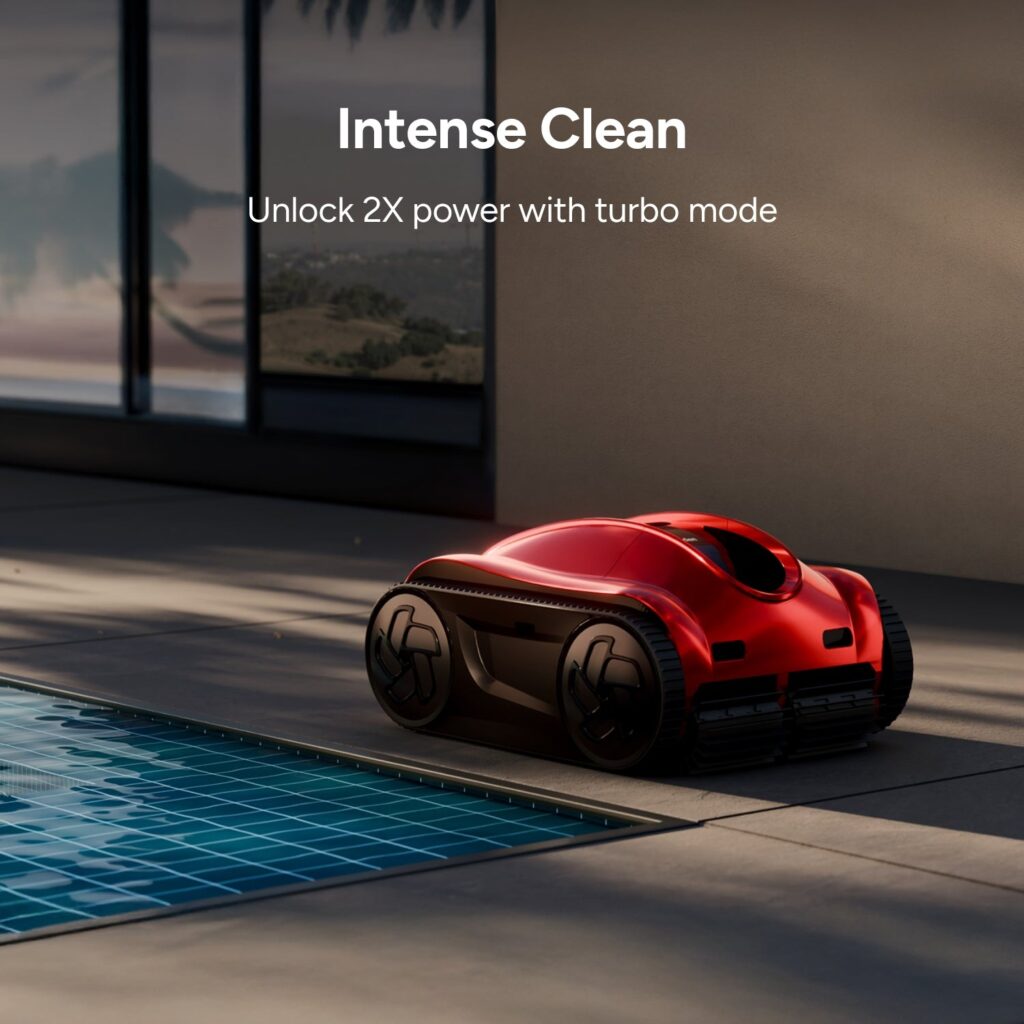
Traditional suction and pressure-side cleaners require your pool pump to run at full capacity during their entire cleaning cycle, often demanding six to eight hours of continuous operation. A robotic cleaner plugs into a standard outdoor outlet and typically consumes around 150 watts—roughly equivalent to running a household light bulb. Because the robot handles debris collection independently, you can reduce your daily pump runtime by two to three hours, which translates directly into lower electricity bills month after month. Over a typical swimming season, this reduced energy demand can offset a meaningful portion of the robot’s purchase price, compounding savings year after year while simultaneously reducing mechanical wear on your pump and filter equipment.
How to Choose the Right Robotic Cleaner for Your Inground Pool: A Step-by-Step Solution
Selecting the ideal robot vacuum for inground pool requires more than browsing online reviews or picking the most expensive option. Your pool has unique characteristics that directly influence which machine will deliver the best results, and a systematic approach ensures you match technology to your actual needs rather than paying for features you’ll never use.
Step 1: Assess Your Pool’s Specific Needs and Specifications
Start by measuring your pool’s total surface area, including walls and the waterline, since robotic cleaners are rated for specific maximum pool lengths—typically ranging from 30 to 60 feet. Note your pool’s shape: freeform designs with tight curves and alcoves demand more advanced navigation than simple rectangles. Surface material matters significantly because concrete pools require aggressive scrubbing brushes to dislodge embedded algae, while vinyl and fiberglass surfaces need softer PVA brushes that clean without scratching. Finally, identify your dominant debris type. If mature trees surround your pool, prioritize models with large-capacity filter baskets and top-loading access for easy emptying. For pools prone to fine dust or sand, ultra-fine filtration cartridges become essential.
Step 2: Compare Essential Features and Technologies
Once you understand your pool’s demands, evaluate how different robotic cleaners address them. Navigation technology is the single biggest differentiator—gyroscope-based mapping ensures systematic coverage and faster cycle times compared to random-bounce patterns. Look for models offering multiple filter options so you can swap between standard cartridges for leaves and fine-mesh panels for smaller particles. Programmable cycle lengths let you run quick cleanups after storms or thorough deep cleans weekly. Smart app connectivity—like the kind offered by smart home platforms such as iGarden—adds genuine convenience by letting you start cycles remotely, adjust schedules based on weather forecasts, and track cleaning history to spot performance changes over time.
Step 3: Evaluate Brands, Warranty, and Support
A robotic cleaner is a multi-year investment, so brand reliability and after-sales support deserve serious weight in your decision. Research manufacturers with established track records in the robotic pool cleaner category—companies that have iterated on designs across multiple product generations tend to produce more durable, refined machines. Examine warranty terms carefully: look for coverage of at least two years on both the motor and electrical components, and confirm whether the warranty requires professional servicing or allows user-replaceable parts. Accessible customer support, available replacement components, and active user communities all signal that a brand stands behind its product and will help you keep your cleaner running efficiently well beyond the warranty period.
Understanding Long-Term Value: Why Initial Cost is Just the Beginning
Many homeowners fixate on the purchase price of a robotic pool cleaner without considering the full financial picture that unfolds over years of ownership. The reality is that pool maintenance costs accumulate relentlessly whether you see them on a single receipt or not—and the method you choose determines how quickly those costs compound or how effectively they shrink.
Calculating the Total Cost of Ownership for Your Pool Cleaner
True cost of ownership extends far beyond the initial transaction. With traditional cleaning methods, you’re paying for elevated electricity consumption from extended pump runs, frequent replacement of worn suction hoses and diaphragms, higher chemical usage to compensate for inconsistent debris removal, and periodic professional cleaning services when manual effort falls short. A robotic cleaner consolidates and reduces these expenses simultaneously. Its low wattage operation saves hundreds annually on electricity. Its onboard filtration reduces chemical demand by keeping organic matter out of your water before it decomposes and disrupts balance. Replacement parts—typically brushes every one to two years and filter cartridges annually—represent modest, predictable expenses rather than surprise repair bills. When you tally energy savings, reduced chemical purchases, eliminated service calls, and extended lifespan of your primary pump and filter equipment, the robot’s upfront cost is often recovered within two to three seasons of regular use.
The Tangible Return on Investment (ROI) and Lasting Benefits
Beyond direct dollar savings, a robotic pool cleaner delivers returns that are harder to quantify but equally valuable. You reclaim hours every week—time previously spent vacuuming, brushing walls, and backwashing filters now becomes time actually enjoying your pool. Your pool equipment lasts longer because reduced pump runtime means less mechanical stress on bearings, seals, and impellers. Consistently clean water with balanced chemistry protects your pool’s interior finish from staining and etching, avoiding costly resurfacing projects down the road. There’s also a property value consideration: a well-maintained pool with modern automated systems signals to potential buyers that the home has been cared for thoughtfully. The long-term value of a robotic cleaner isn’t just about spending less—it’s about preserving your entire pool investment while transforming maintenance from a burden into something you barely think about.
Maximizing Your Pool Investment Through Smarter Automation
The case for investing in a robotic pool cleaner rests on three interconnected pillars. First, these machines deliver superior cleaning performance that manual methods and older automated systems simply cannot replicate—systematically covering every surface while capturing debris fine enough to transform your water clarity. Second, a thoughtful selection process that accounts for your pool’s dimensions, surface material, debris challenges, and desired smart features ensures you purchase the right tool rather than an expensive mismatch. Third, and perhaps most compelling, the long-term value equation decisively favors robotic ownership once you factor in energy savings, reduced chemical consumption, lower equipment wear, and the elimination of professional service calls.
The initial purchase price, while meaningful, represents a single moment in what becomes years of compounding returns—both financial and personal. Every hour you don’t spend vacuuming is an hour spent swimming, entertaining, or simply relaxing beside water that stays consistently inviting. Rather than viewing a robotic pool cleaner as an expense, consider it what it truly is: a reinvestment in your pool, your time, and your quality of life that pays dividends every season it operates.