Introduction
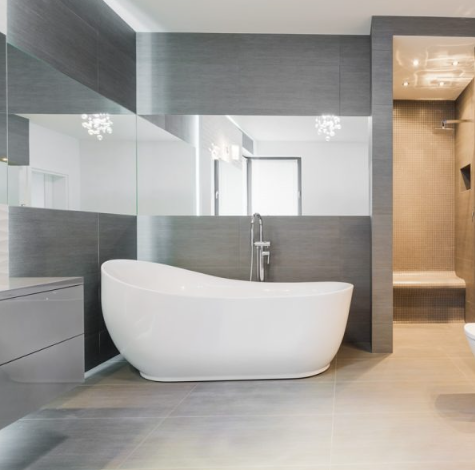
A bathroom renovation involves more than selecting attractive tiles, modern taps, and stylish furniture. The materials chosen for the room influence how it looks, how easy it is to clean, and how well different surfaces perform under regular exposure to moisture. Making these decisions carefully can help homeowners create a bathroom that remains practical and appealing for years.
Every bathroom has different requirements. A busy family bathroom may need robust surfaces and convenient storage, while an en-suite might benefit from a simpler design with fewer fixtures. Understanding these differences before purchasing products can help prevent unsuitable choices and unnecessary expense.
For homeowners planning Fitted Bathrooms in Shropshire, QA Kitchens & Bathrooms offers design and installation services that help bring different elements together. Considering materials as part of the complete design makes it easier to balance appearance, maintenance, and everyday functionality.
Start With the Conditions Inside Your Bathroom
Bathrooms experience regular changes in temperature and humidity. Water splashes, steam, cleaning products, and frequent use can affect surfaces differently depending on the material and how it has been installed.
Before selecting finishes, consider the bathroom’s ventilation, available natural light, and the areas most likely to become wet. A shower enclosure, for example, has different requirements from a decorative wall away from direct splashes.
The condition of the existing room also matters. During a renovation, damaged surfaces, uneven walls, or outdated plumbing may need attention before new materials are fitted. Covering these problems without addressing their causes can lead to further work later.
A suitable design should therefore begin with the room itself rather than a particular product or colour scheme. This approach helps homeowners make informed choices based on the property’s needs.
See also: Downsizing a Home? A Practical Guide to Silver, Coins, and Valuables
Select Tiles for Their Appearance and Practicality
Tiles remain a popular option for bathroom walls and floors because they are available in a wide variety of colours, patterns, sizes, and finishes. They can suit both contemporary interiors and more traditional homes.
Large-format tiles can create a clean visual effect by reducing the number of visible grout lines. Smaller tiles may be useful for decorative features or surfaces that require more detailed shaping. The best option depends on the layout, the intended appearance, and the installation requirements.
Floor tiles need particular attention. A finish that looks attractive in a showroom may not provide the slip resistance required for a wet environment. Ask about the suitability of the specific product for bathroom flooring and consider the needs of everyone using the room.
Grout colour also influences the finished look. A close match can create a more continuous appearance, while contrasting grout can emphasise the tile pattern. In either case, appropriate grout selection, installation, and cleaning are important for maintaining the surface.
When comparing products, ask how they should be cleaned and whether they require sealing or any other ongoing treatment. Understanding these requirements before installation helps avoid surprises after the renovation is complete.
Choose Furniture That Suits Your Household
Bathroom furniture should provide enough storage without making the room difficult to navigate. Vanity units, cabinets, and shelving can help keep everyday items organised while contributing to the overall design.
The material and finish of each unit deserve careful consideration. Bathrooms can be humid environments, so furniture should be appropriate for the room and installed according to the manufacturer’s instructions. Suitable ventilation and prompt attention to water spills can also help protect surfaces.
A wall-mounted vanity unit may create a lighter visual appearance and leave more of the floor visible. A floor-standing cabinet, on the other hand, may provide a different storage arrangement that better suits the available space.
Think about the items you use most frequently. Drawers may be convenient for smaller products, while cupboards can accommodate larger containers and spare toiletries. If several people share the bathroom, additional storage may help reduce clutter on the basin and worktop.
Choosing furniture as part of the wider bathroom design allows its dimensions, colour, and finish to work alongside the tiles, sanitaryware, and lighting.
Pay Attention to Taps, Handles, and Other Details
Smaller fittings can have a noticeable effect on the bathroom’s appearance. Taps, shower controls, handles, towel rails, and other accessories help establish whether the design feels modern, traditional, or somewhere between the two.
Chrome finishes offer a familiar, versatile appearance, while brushed metal and darker finishes can introduce a different visual character. The right choice depends on the overall colour palette and the style of the other fixtures.
However, appearance should not be the only consideration. Check product specifications, cleaning instructions, compatibility, and the availability of replacement parts where relevant. Some finishes may show water spots or fingerprints more readily than others, depending on the product and local water conditions.
It is also sensible to coordinate fittings where possible. Using complementary finishes can create a consistent design without requiring every component to be identical.
Before choosing taps or shower fittings, confirm that they are compatible with the existing plumbing arrangements or identify any changes that may be needed. This can help avoid unexpected installation complications.
Plan Surfaces Around Cleaning and Maintenance
A beautiful bathroom should also be manageable to maintain. Different materials have different cleaning requirements, and choosing products with your household routine in mind can make a difference.
Smooth, appropriately sealed surfaces may be easier to wipe down than heavily textured finishes in certain locations. However, textured flooring can offer useful grip, so the right choice depends on where the material will be used.
Consider how much time you want to spend cleaning grout, polishing fittings, or treating particular surfaces. Natural stone, for example, may require product-specific care and sealing, whereas other materials may have different maintenance requirements.
Avoid assuming that every product can be cleaned with the same household solution. Some cleaners can damage specialist coatings, grout, or stone surfaces. Follow the manufacturer’s guidance and use suitable cleaning products.
Good ventilation is equally important. Extractor fans and appropriate airflow can help manage moisture, reducing persistent condensation and helping the bathroom remain comfortable. Ventilation should be considered alongside the material choices rather than as an afterthought.
Build a Cohesive Colour Scheme
The number of available bathroom finishes can make it tempting to combine too many patterns and colours. A more coordinated approach often produces a result that feels intentional and easier to update in the future.
Start with one main surface or feature, such as the wall tiles, vanity unit, or floor. Then select complementary colours and textures around it. Neutral backgrounds can provide flexibility, while a coloured vanity, patterned tile, or contrasting fitting can introduce personality.
Lighting should also influence your decisions. A tile may appear warmer or cooler under different types of illumination, and darker finishes can look different in rooms with limited natural light.
If possible, view material samples together before confirming your order. Compare them under lighting similar to that in your home and consider how they look beside existing doors, windows, and other fixed features.
A consistent colour scheme does not have to be plain. Carefully selected contrasts can add depth while allowing the individual features to work together.
Why Professional Installation Matters
Even suitable materials can produce disappointing results if they are installed incorrectly. Bathroom projects often involve several connected tasks, including plumbing, tiling, waterproofing, electrical work, furniture fitting, and finishing.
Professional Bathroom installers can assess the room, discuss the installation requirements, and coordinate the different stages of the project. This is particularly useful when a renovation involves moving fixtures or changing the existing layout.
Preparation is essential. Surfaces need to be suitable for the materials being fitted, and wet areas require appropriate waterproofing details. Tiling, drainage, and plumbing must also be completed with attention to the relevant product instructions and building requirements.
Before work begins, ask for a clear explanation of what the installation includes. Confirm which materials are supplied, whether any preparatory building work is required, and how changes to the original specification will be handled.
QA Kitchens & Bathrooms provides bathroom design and installation services in Shropshire and surrounding areas. Discussing your preferred finishes and maintenance priorities with the team can help you evaluate suitable options for the project.
Set a Budget That Covers the Complete Project
The cost of a bathroom renovation depends on the room’s condition, the products selected, the amount of installation work, and whether plumbing or electrical changes are required.
Rather than allocating the entire budget to visible features, allow for the practical components needed to complete the room. Preparation, installation materials, ventilation, plumbing, and finishing work can all influence the final cost.
It can be helpful to separate essential requirements from optional upgrades. Reliable fittings, appropriate waterproofing, and suitable flooring should take priority over decorative extras that can be introduced later.
Request a detailed quotation and clarify which items are included. If you are comparing different designs, make sure the quotations cover similar products and installation tasks so that the comparison is meaningful.
Careful budgeting helps homeowners make decisions based on the complete project rather than the price of individual products alone.
Conclusion
Choosing bathroom materials is an important part of creating a space that looks attractive and remains practical. Tiles, furniture, fittings, colours, and ventilation all contribute to how the room performs in everyday use.
By considering maintenance requirements, moisture exposure, household routines, and installation needs before making decisions, homeowners can create a more coordinated and functional result.
If you are planning Fitted Bathrooms in Shropshire, QA Kitchens & Bathrooms can help you explore design options and plan the installation around your requirements. Speaking with experienced Bathroom installers at the beginning of the project can make it easier to select suitable finishes, understand the work involved, and create a bathroom that balances style with everyday practicality.